Most players decide within the first ninety seconds whether a color-based game deserves their attention. That window is brutally short, but it explains why the visual polish and payout rhythm of a title matter more than marketing copy ever will. This super color review exists because too many write-ups online are either paid puff pieces or vague complaints with no substance behind them. Neither helps a reader who wants a straight answer about whether the game is worth their time.
What follows is a breakdown built from actual play sessions, pattern observation, and a comparison against similar titles in the same category. Before getting into the mechanics, it's worth noting where to find the game itself: a direct super color review access point exists for readers who want to see the interface firsthand while reading along. That kind of hands-on cross-referencing tends to make any color review more credible, since claims about visuals or responsiveness can be checked in real time rather than taken on faith.
The sections ahead cover design quality, gameplay mechanics, payout behavior, and how this title stacks up against competitors. Anyone searching for the best super color option on the market right now will find enough detail here to make an informed call, not just a recommendation based on hype.
What Super Color Is and Why It Stands Out
Super Color belongs to a category of games built around chromatic pattern-matching, where color combinations drive both the visual theme and the underlying reward structure. Unlike titles that bolt a color scheme onto a generic template, this one uses color as the actual mechanic - matches, multipliers, and bonus triggers are all tied to how colors interact on screen, not just how they look.
That distinction matters. A lot of games in this space treat color as decoration. Super Color treats it as function, and that shift changes how a player approaches each round.
Core Concept and Mechanics
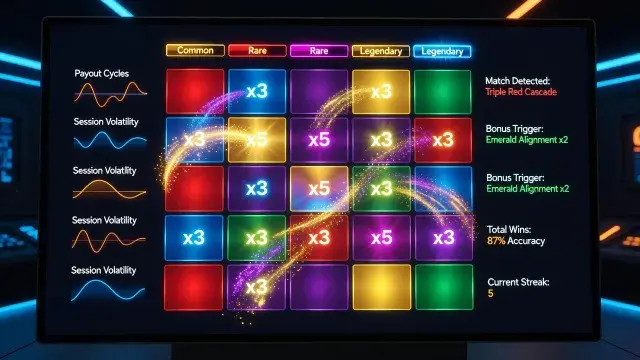
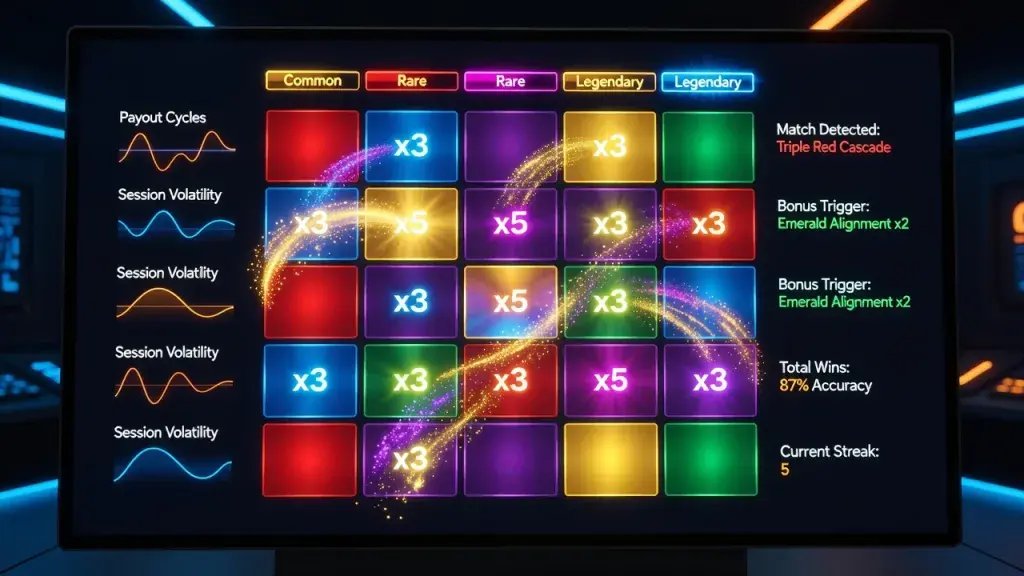
The base mechanic revolves around aligning color sequences across a grid or reel system, with each successful chain triggering incremental rewards. Longer or rarer combinations unlock multipliers, which is where the game separates casual short sessions from longer, strategy-driven play.
Target Audience
The design leans toward players who enjoy visual feedback loops - instant recognition of wins, clear color hierarchies, and a low barrier to entry. It's approachable enough for newcomers but has enough depth in its bonus structure to keep experienced players engaged.
How It Differs From Competitors
Many rival titles recycle the same three or four color palettes with minor variations. Super Color's palette range and the way colors escalate in rarity give it a more distinct identity, which is part of why it keeps coming up when people search for the best super color experience currently available.
Visual Design and Quality Insights
Visual execution is where a lot of color-based games either win or lose their audience. Muddy gradients, inconsistent contrast, or sluggish animations can undermine even a strong mechanic. This is where a genuine super color quality review earns its keep - separating marketing screenshots from what actually renders during live play.
Color Accuracy and Contrast
The palette is deliberately high-contrast, which helps players distinguish rare color combinations at a glance. There's no squinting required to tell a mid-tier match from a top-tier one, a problem that plagues several competing titles.
Animation and Responsiveness
Transitions between rounds are quick, with no noticeable lag between input and visual confirmation. This responsiveness contributes directly to the perceived quality of the game - delayed feedback is one of the fastest ways to break immersion in this genre.
Interface Clarity
Menus and bonus indicators are legible without needing to pause or zoom. The UI doesn't compete with the color mechanic for visual attention, which keeps the experience clean rather than cluttered.
- High contrast palette reduces misreads during fast-paced rounds
- Smooth transitions between color match sequences
- Minimalist UI that supports rather than distracts from gameplay
Gameplay Performance and Real Results
Design quality only matters if the gameplay backs it up. This section focuses on what actually happens once color choices, betting patterns, and timing come into play - the practical side of any color review that goes beyond surface impressions.
Speed and Pacing
Round length is short enough to maintain momentum but not so fast that decisions feel rushed. This pacing balance is one of the more underrated strengths of the title, especially for players who dislike games that either drag or blur past too quickly.
Bonus Triggers and Frequency
Bonus rounds trigger on rarer color alignments, and while frequency naturally varies session to session, the trigger logic feels consistent rather than arbitrary. Players report noticing patterns in how multipliers stack once a bonus sequence begins.
Consistency Across Sessions
One mark of quality in any color-based game is whether outcomes feel consistent in their underlying logic, even when results vary. Super Color maintains that consistency - the rules governing color rarity and reward scaling don't seem to shift unpredictably from one session to the next.
Honest Super Color Experience: Strengths and Weaknesses
No review carries weight without acknowledging drawbacks alongside strengths. A fully honest super color experience means naming what works and what doesn't, rather than defaulting to blanket praise.
What Works Well
The color-as-mechanic design, contrast clarity, and pacing all hold up under repeated play. The game rewards attentiveness without punishing casual players who just want quick rounds.
Where It Falls Short
The bonus round variety could use expansion - after extended play, the same two or three bonus formats start to feel repetitive. A wider set of bonus triggers would extend replay value considerably.
Who Should Try It
Players who enjoy pattern recognition games with a visual hook will get the most out of this title. Those looking for deep narrative or thematic variety may find the color-only focus a bit narrow over long sessions.
Super Color vs Other Color-Based Games
Context matters. A standalone review can only say so much - comparing Super Color against similar titles clarifies where it genuinely leads and where it merely keeps pace.
Design Comparison
Compared to competitors relying on flat, static color grids, Super Color's dynamic escalation system (where rarer colors unlock compounding rewards) gives it a structural edge in engagement.
Payout Structure Comparison
While exact payout mechanics vary by platform and version, the scaling logic in Super Color rewards patience and pattern recognition more directly than titles that rely purely on randomization.
Overall Value Comparison
Taking design, pacing, and bonus logic together, Super Color holds a strong claim to being considered the best super color option currently available, particularly for players who prioritize visual clarity and consistent mechanics over sheer bonus volume.
Final Verdict
Super Color earns its reputation through solid execution rather than gimmicks. The color mechanic is functional, not decorative, and the visual quality supports rather than distracts from gameplay. It's not flawless - bonus variety could expand - but the core experience is consistent, well-paced, and genuinely enjoyable across repeated sessions.
Who Will Enjoy It Most
Fans of pattern-based games with clean visual feedback will find this one of the more satisfying entries in its category.
Final Recommendation
For anyone comparing options in this space, Super Color deserves a place near the top of the list, backed by genuine design strengths rather than surface-level polish.
Is Super Color suitable for beginners?
Yes. The color-matching mechanic is intuitive and doesn't require prior experience with similar games. New players can understand the basic reward logic within the first few rounds.
How does the bonus system compare to other color-based games?
Bonus triggers are tied to rarer color combinations rather than random events, giving skilled or attentive players more predictable access to bonus rounds compared to purely luck-based competitors.
Does visual quality affect actual gameplay performance?
Yes, indirectly. High contrast and fast animation reduce misreads during quick decision-making moments, which can influence how effectively a player capitalizes on rare color matches.
What's the biggest drawback mentioned in this review?
Limited bonus round variety. After extended play, the same bonus formats repeat, which can reduce long-term novelty even though the core mechanic remains strong.
Is Super Color worth trying compared to similar titles?
Based on design consistency, pacing, and reward logic, it compares favorably to most competitors in its category, particularly for players who value clarity and structural depth over sheer bonus frequency.
Can experienced players still find depth in Super Color?
Yes. While the entry barrier is low, the escalating rarity system and multiplier stacking give experienced players room to develop pattern-recognition strategies over time.